




Basic Training Information for LPG
Liquefied petroleum gas has 90 percent propane and has no smell or color. This fuel, also known as LPG, derives from natural gas. LPG is extracted using a method referred to as distilling.
Considerations
LPG should be handled with care. Though it is generally considered safe, it could lead to a fire or explosion if the gas lines are not maintained or have not been correctly installed. Correct maintenance and installation guidelines should be followed for home appliances which use liquid petroleum gas.
Prevention
To guarantee safe handling, employees who work with liquid petroleum gas directly should undergo training. The handling and refueling procedures need to be carefully followed. Personnel must also learn how to recognize hazards such as loose fittings or damaged hoses, and how to test for possible leaks. Personal protective gear must always be worn when working with liquid petroleum gas.
Emergency Preparation
LPG is a potentially dangerous gas. Employees handling LPG should be taught to respond properly to emergencies. Trainees would learn how to administer first aid, how to evacuate areas at risk, and how to control gas leaks.
Different Sizes of Liquid Petroleum Gas Tanks
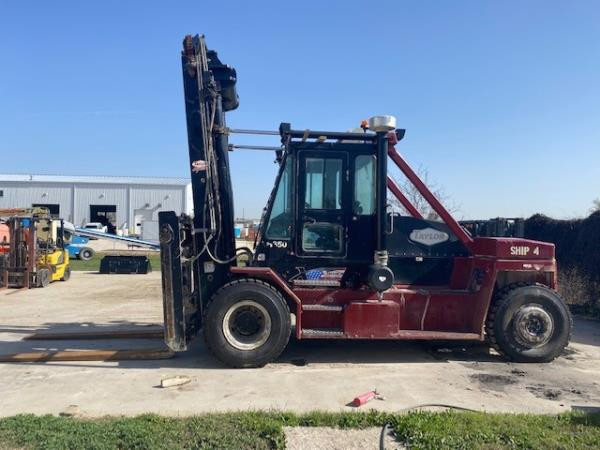
Liquid Petroleum Gas tanks will range in size from small tanks the size of a knapsack all the way to big underground tanks. Liquid petroleum Gas is useful for cooking and heating for both commercial and residential applications. Many lift truck units are powered by LPG. Approximately 350,000 motor vehicles in the US and 3.5 million vehicles globally use LPG tanks.
33 Gallons
There is a 33-gallon gas tank used to deliver liquid petroleum gas to commercial machines. When empty, the tank weighs around 7 kilograms. When full, the tank can hold 14 kilograms of propane. It is designed to fuel forklifts with LPG engines and is large enough for industrial application. The tank has a 30 centimeter diameter and is 71 centimeters long.